
The LinkedIn Revolution: How Smaller Nations Are Rewriting the Rules of Global Talent Scouting
The LinkedIn Revolution: How Smaller Nations Are Rewriting the Rules of Global Talent Scouting
The 2026 World Cup isn’t even a week old, but it has already delivered a masterclass in modern sports recruitment. Cape Verde, a tiny volcanic archipelago of just 600,000 people making its tournament debut, pulled off a historic result against former world champions Spain in Atlanta. It was a performance built on absolute tactical discipline and defensive resilience, but the real story lies in how this squad was put together in the first place.
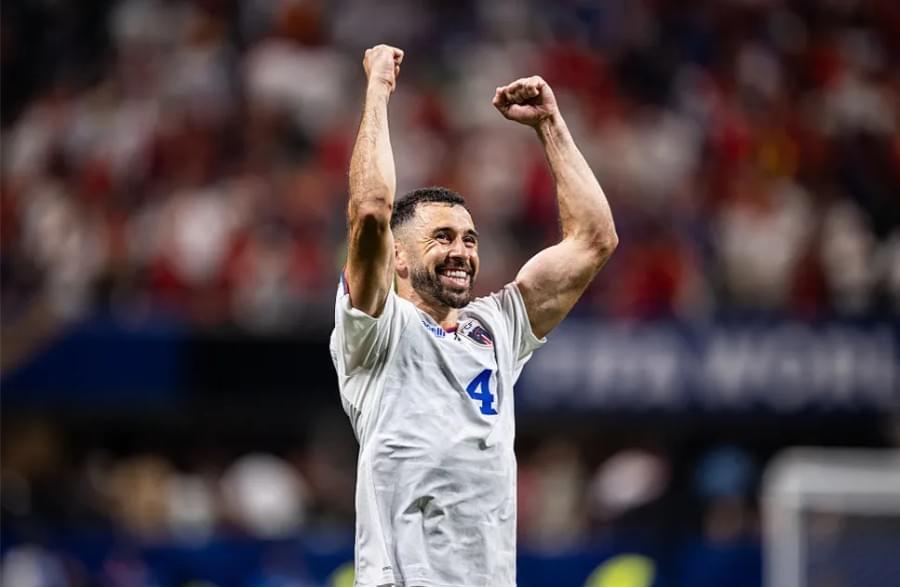
At the heart of the backline was Roberto Lopes, the towering Shamrock Rovers captain who completely nullified some of the most expensive attacking talent in Europe. Yet, a few years ago, Lopes had never even set foot in Cape Verde. Born and raised in Dublin, his international career did not begin with a traditional scout watching him on a cold winter night in the League of Ireland. It began with an unsolicited message sitting quietly in his LinkedIn inbox.
The Spam Folder Superstar
The Cape Verde football federation had spent months scanning digital databases to find players across the globe with ancestral links to the islands. When they identified Lopes through his father's heritage, they reached out on the professional networking platform.
Because the initial message was written in Portuguese, the defender assumed it was corporate spam and ignored it. It took a follow up message in English nine months later for Lopes to finally copy the text into Google Translate and realise he was being invited to play international football.
This anecdote is no longer an isolated quirk. It represents a fundamental shift in how international sports teams are built. Smaller nations with limited domestic infrastructure can no longer rely solely on traditional scouting networks to compete with global superpowers. Instead, they are turning into digital talent hunters, treating the global diaspora as an untapped executive search pool.
Mapping the Global Footprint
Football recruitment has officially entered the era of open-source intelligence. Associations are meticulously mapping their overseas communities, using genealogical data, digital registries, and professional networks to locate eligible athletes born in major European and North American cities.
Cape Verde is the vanguard of this movement. Their squad is a beautiful mosaic of the global diaspora, featuring players born or playing in Portugal, the Netherlands, France, and Ireland. By combining different footballing educations, from the physical grit of the Irish domestic league to the technical precision of continental academies, they have created a uniquely versatile tactical unit.
This strategy is effectively leveling the playing field. In a traditional setup, a nation of 600,000 people cannot match the academy output or financial might of a country like Spain. But by expanding their boundaries to include the millions of overseas citizens who carry their heritage, smaller nations can suddenly access a world-class pool of athletic talent.
A Blueprint for Modern Business
The takeaways from this LinkedIn revolution stretch far beyond the football pitch. For any organisation aiming to scale globally in 2026, the lesson is clear: your talent pool is no longer restricted by your physical geography.
Smaller enterprises and nations can punch significantly above their weight by actively engaging with their international community. The diaspora is an active, high-signal resource waiting to be mobilised. Sometimes, unlocking that potential does not require millions of pounds in corporate investment. It simply requires a clear strategy, a bit of digital curiosity, and the willingness to send a message to an inbox.