
The Universal Language of Heartbreak: What Germany and the Netherlands Teach Us in Defeat
The Universal Language of Heartbreak: What Germany and the Netherlands Teach Us in Defeat
For the past week, the collective mindset of Scottish football has been entirely consumed by a unique, localised brand of suffering. Sitting in tournament limbo, counting up imaginary permutations (only 1 result went our way in the end), and watching our World Cup journey mathematically expire has felt like an exclusively Scottish tragedy. We tend to view our footballing history through a lens of unique misfortune, convincing ourselves that no other fanbase experiences the same agonising twists of fate.
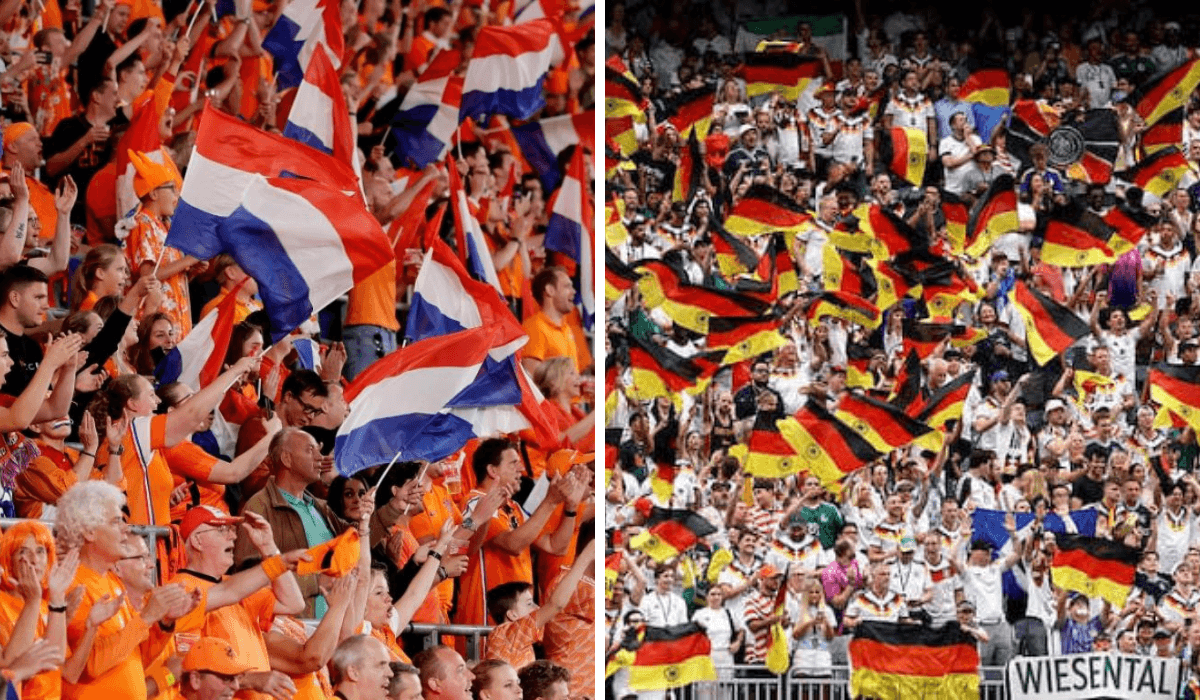
Yet, the beauty of a global tournament is its ability to instantly smash our insular perspectives. You only had to watch the extraordinary drama unfold last night to realise that footballing heartbreak is not a Scottish invention. It is a universal language.
Seeing heavyweights like Germany and the Netherlands exit the competition in spectacular, emotionally devastating fashion serves as a timely reminder to everyone wearing a kilt. Failure, despair, and the sudden, brutal shattering of a dream are experiences shared by the grandest aristocrats of the beautiful game.
The Equalizing Power of the Whistle
Consider the Dutch. The Oranje Legioen had spent the summer turning host cities into vibrant, techno-fuelled carnivals, bouncing from left to right with a swagger that suggested they were destiny's choice to lift the trophy. Their sudden exit was a clinical, shocking reminder of how quickly momentum can turn to ash. The sea of orange in the stands was instantly silenced, replaced by the exact same hollow, thousand-yard stares that stretched across Scotland just days earlier.
Then came Germany. A footballing superpower built on historical resilience and competitive certainty, reduced to absolute despair on the grass. To watch their elite, multi-million pound superstars collapse to their knees at the final whistle was to witness a vulnerability we usually reserve for ourselves.
A Shared Human Experience
These exits prove that the footballing gods do not discriminate based on the number of stars on your badge. The pain of a wasted decade or a missed opportunity hurts just as acutely in Berlin or Amsterdam as it does in Aberdeen.
As Scotland fans, we should take a strange kind of comfort in this collective grief. It strips away the old defeatist myth that we are uniquely cursed. Instead, it reframes our tournament exit not as an individual failure, but as a standard tax paid by anyone brave enough to care about the sport.
The party will continue without us, and new soundtracks will define the summer. But as we pack our bags and look toward a new era, we can do so knowing that the agony of the exit is the one thing that truly connects the entire footballing globe.