
The Devolved Pipeline: How a Fractured Whitehall Monopoly Unlocks Scottish Trade
The Devolved Pipeline: How a Fractured Whitehall Monopoly Unlocks Scottish Trade
Andy Burnham’s recent policy speech has fundamentally challenged the traditional structure of British governance by declaring Westminster broken and proposing a collaborative "No 10 North" operation in Manchester. This bold vision for decentralisation promises to reshape the UK's political architecture, signalling an end to the era where Whitehall actively resists the redistribution of resources. For business leaders across Scotland, this marks a significant shift that could unlock unprecedented commercial opportunities.
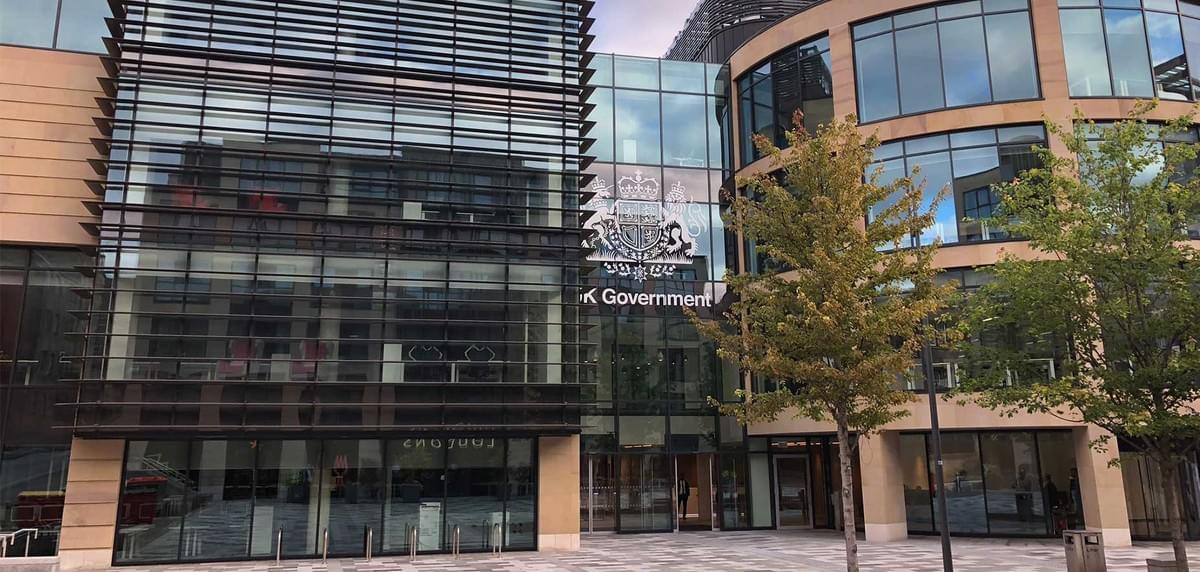
Fracturing the Whitehall Monopoly
The prospect of a future administration operating from a decentralised northern base offers a perfect practical sequel to our exploration of Scotland's untapped economic potential. When the Scottish Parliament was established over a quarter of a century ago, it provided a foundational framework for domestic decision-making. However, as we have previously covered in Sentinel, a legislative framework is merely a foundation rather than a final destination. The true economic value lies in how dynamically a nation uses that foundation to project its commercial strengths onto the global stage.
By extending devolution "deeper down," a Burnham-led government would effectively fracture the traditional Westminster monopoly. Shifting the central gravity of political influence away from London creates a collaborative environment where sub-national economies can thrive independently. For proactive enterprise leaders, this decentralised era means that Scotland no longer needs to see its global scale restricted by interactions with slow-moving, centralised bodies. The old barriers are dissolving, leaving the frontier of international commerce wide open for those ready to lead.
The Paradiplomacy Frontier
At the heart of this shifting political landscape sits the concept of true paradiplomacy. Paradiplomacy is the art of building direct, sub-national trade and cultural links abroad, bypassing traditional diplomatic channels to establish immediate commercial value. While institutional frameworks have previously left this potential largely unrealised, a fractured Whitehall monopoly allows the momentum to shift entirely to the entrepreneurial ecosystem.
Instead of waiting for public infrastructure or official state channels to bridge the gap, Scottish founders and chief executives can aggressively project a distinct commercial brand into international markets. The tools required for this global expansion are already accessible. By utilising an extensive, passionate global diaspora network alongside independent trade hubs, businesses can establish direct routes to key international marketplaces. This approach transforms international trade from a bureaucratic exercise into an agile, founder-led growth strategy.
Capitalising on the Devolution Shift
As the national conversation continues to navigate broader constitutional debates, the immediate commercial reality of 2026 remains clear. Enterprise leaders cannot afford to let future horizons distract from the immediate landscape of opportunity. Scotland currently possesses a remarkable platform to build a resilient, forward-facing, and globally competitive economy using the exact levers available today.
The real lesson of this political moment has very little to do with government structures and everything to do with the ambition of the individuals operating within them. Growth will not be handed down automatically from old centres of power. Instead, it will be captured by innovators who recognise the massive global potential sitting on the table and actively step up to claim it. Through SBN, senior leaders and managers are uniquely positioned to turn this decentralised launchpad into genuine, lasting international success.
The views expressed in this article are the author’s own and do not necessarily reflect Saltire Sentinel’s editorial stance.