
The Melting Pot Stadium: Why America is the Perfect Stage for the Diaspora World Cup
The Melting Pot Stadium: Why America is the Perfect Stage for the Diaspora World Cup
As journalist Barney Ronay astutely observed in his recent post on Instagram, the 2026 tournament has rapidly established its own unique identity. It has become the Diaspora World Cup. From Cape Verde pulling off historic results with a squad gathered via global heritage networks, to heavyweight nations like England boasting twenty players who were eligible to represent other countries, global football has officially outgrown rigid, traditional definitions of nationality.
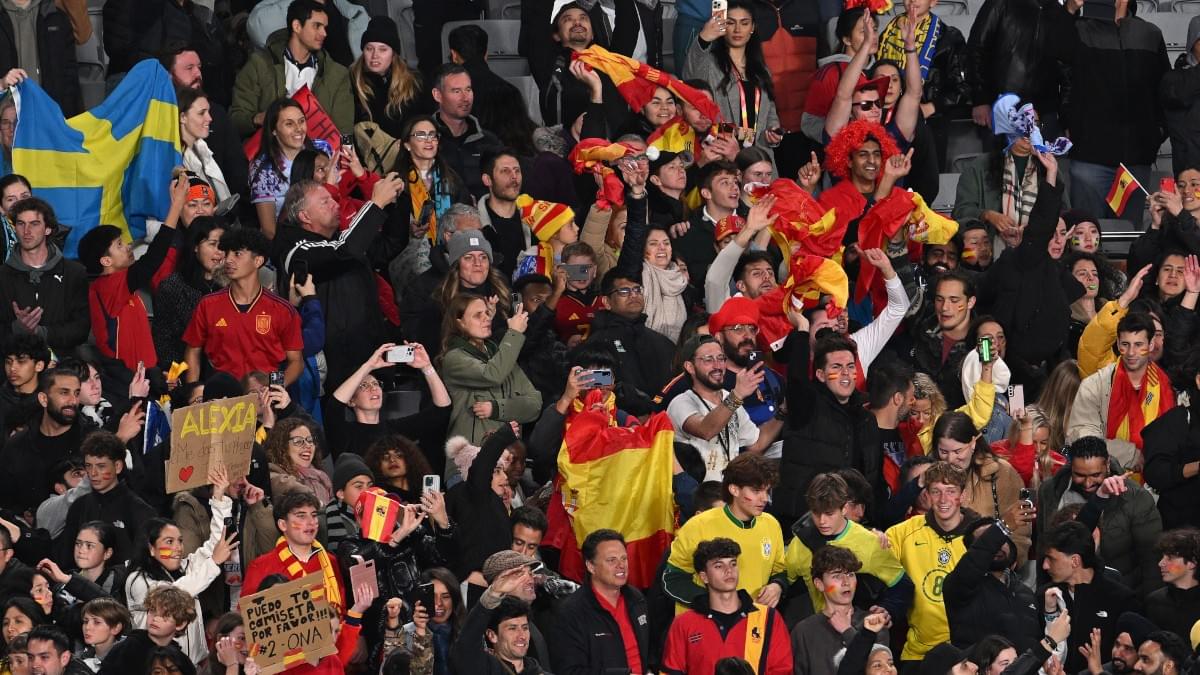
By staging this multicultural masterpiece in American cities, football is not just playing out in front of a neutral audience. It is performing in front of a mirror.
A Tournament that Mirrors its Hosts
When you look at the fan culture spilling out across the host cities this week, the boundaries between the travelling support and the local population have completely blurred. This is the magic of hosting a tournament in a melting pot.
In every major metropolis, from Boston to Los Angeles, there are massive, generations deep communities of expatriates and descendants who have been waiting a lifetime to welcome their ancestral teams. When a nation like Cape Verde steps out onto the pitch, they are backed not just by fans who boarded flights, but by vibrant local communities who carry that same heritage in their daily lives.
The stands are not filled with tourists visiting a foreign land, they are filled with global citizens celebrating their dual identities on home soil. The crowd energy perfectly reflects the historical reality of the United States, turning every stadium into a living testament to human movement.
The True Spirit of Modern Identity
This global crossover is exactly why the tournament feels so refreshing. Some traditionalists occasionally wring their hands over the multicultural makeup of modern squads, viewing fluid eligibility as a dilution of international sport.
But as Ronay rightly pointed out, this is not a desecration of the World Cup. It is a triumphant reflection of what these countries actually look like in 2026.
National identity is no longer a fixed, stationary monolith. It is complex, inclusive, and deeply enriched by the stories of those who move across borders. There is no better place to showcase this modern truth than in a country whose own national motto explicitly celebrates unity emerging from diversity.
A Joyful, Global Homecoming
Ultimately, this tournament is proving that home is not just a coordinate on a map but a shared identity that travels with us wherever we go.
The 2026 World Cup is showing the world the true, beautiful scale of our global families. It proves that a person can be entirely loyal to the country they live in, while still carrying a deep, roaring passion for the soil of their ancestors.
As the group stages progress and the matches grow in intensity, the biggest victory of this tournament has already been secured in the terraces. By matching the world of migration with a nation of immigrants, the World Cup has become a joyous, full throated celebration of our interconnected global community.