
The Devolved Frontier: What Andy Burnham Reminds Us About Scotland’s Untapped Potential
The Devolved Frontier: What Andy Burnham Reminds Us About Scotland’s Untapped Potential
The return of Andy Burnham to Westminster, following his recent by-election victory in Makerfield, has caught the attention of political and business commentators alike. As a leading figure to watch in the race for Downing Street, his trajectory breaks the traditional mould. He stepped away from the capital, spent nine years building a distinct centre of gravity as the Mayor of Greater Manchester, and used that regional platform to establish a national reputation.
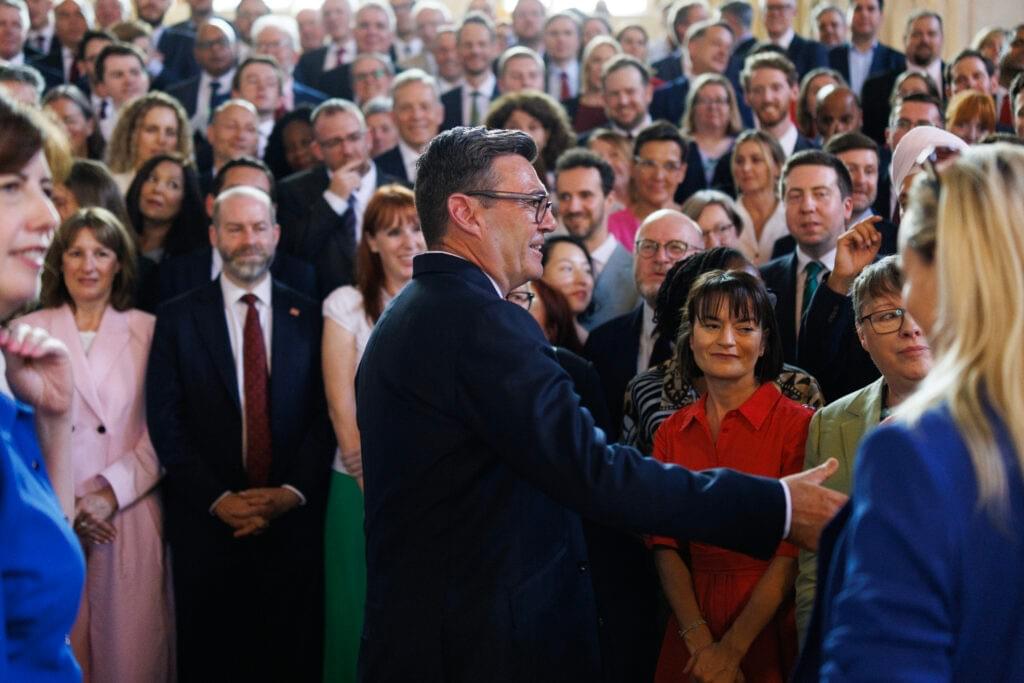
Scotland has held these levers of devolved power for over a quarter of a century. Yet, as we look out at the global marketplace in 2026, Burnham's journey prompts a vital question: are we truly squeezing every drop of potential out of the platform we have?
Moving Beyond the Framework
When the Scottish Parliament was established, it gave the nation a distinct political voice and the ability to shape its own domestic landscape. In the years since, we have seen the benefits of local decision-making in public policy and education. However, a legislative framework is ultimately just a foundation. The real economic value lies in how aggressively a nation uses that foundation to project itself onto the world stage.
Too often, there is a temptation to treat Scotland's ability to punch above its weight as a historical fact to be celebrated, rather than an ongoing challenge to be met. Having the powers of a devolved nation is one thing, but actively turning those powers into global commercial advantages is an entirely different task. The platform is there, but the real work of international scaling remains a wide-open frontier.

This is particularly true when it comes to international trade and global positioning. Devolution established the framework for Scotland to engage directly with the global economy, but partly due to restrictions of how it must interact with Westminster-run bodies, the potential has been largely unrealised. True paradiplomacy, which is the art of building direct, sub-national trade and cultural links abroad, should be Scotland's ultimate economic lever.
Instead of waiting for public infrastructure to bridge the gap, the real momentum needs to shift to the entrepreneurial ecosystem. The opportunity to bypass traditional diplomatic routes and project a distinct Scottish commercial brand into international markets is entirely up for grabs. From our passionate global diaspora network to independent trade hubs, the tools are right in front of us. Treating international success as a done deal is a mistake; it is a massive opportunity that the business community must actively step up and claim.
Maximising the Present
It is impossible to discuss the scope of Scottish autonomy without touching on the constitutional debate. While the question of independence remains a central theme of national life, looking at the horizon can sometimes distract from the immediate landscape.
Whether an individual views devolution as a permanent destination or a stepping stone, the practical reality of 2026 remains identical. The situation Scotland currently finds itself in still provides an opportunity to build a resilient, forward-facing, and globally competitive economy. The constitutional discussion proves the national desire for self-reliance, but the immediate test is whether we can match that ambition with economic execution using the levers already in our hands.
A Launchpad to Be Claimed
As the broader commentary focuses on how Andy Burnham rewrote the rules of political influence from a regional base, Scotland should take it as a reminder of the opportunity we have.
The real lesson of this political moment has very little to do with the mechanics of constitutional frameworks, and everything to do with the ambition of the people operating within them. The true opportunity out there does not belong to institutions or government structures; it belongs entirely to the proactive Scottish communities and the driven individuals who refuse to be limited by physical boundaries. Scotland's future growth will not be handed down from old centres of power, nor will it happen automatically. It will be captured by the enterprise leaders and innovators who recognise the massive global potential still sitting on the table, and actively step up to grab it.